Starting a Clothing Brand? What to Know Before Choosing a Manufacturer
Starting a clothing brand? Learn how to evaluate manufacturers, samples, fabric quality, minimum orders and production timelines before committing.
· 17 min read
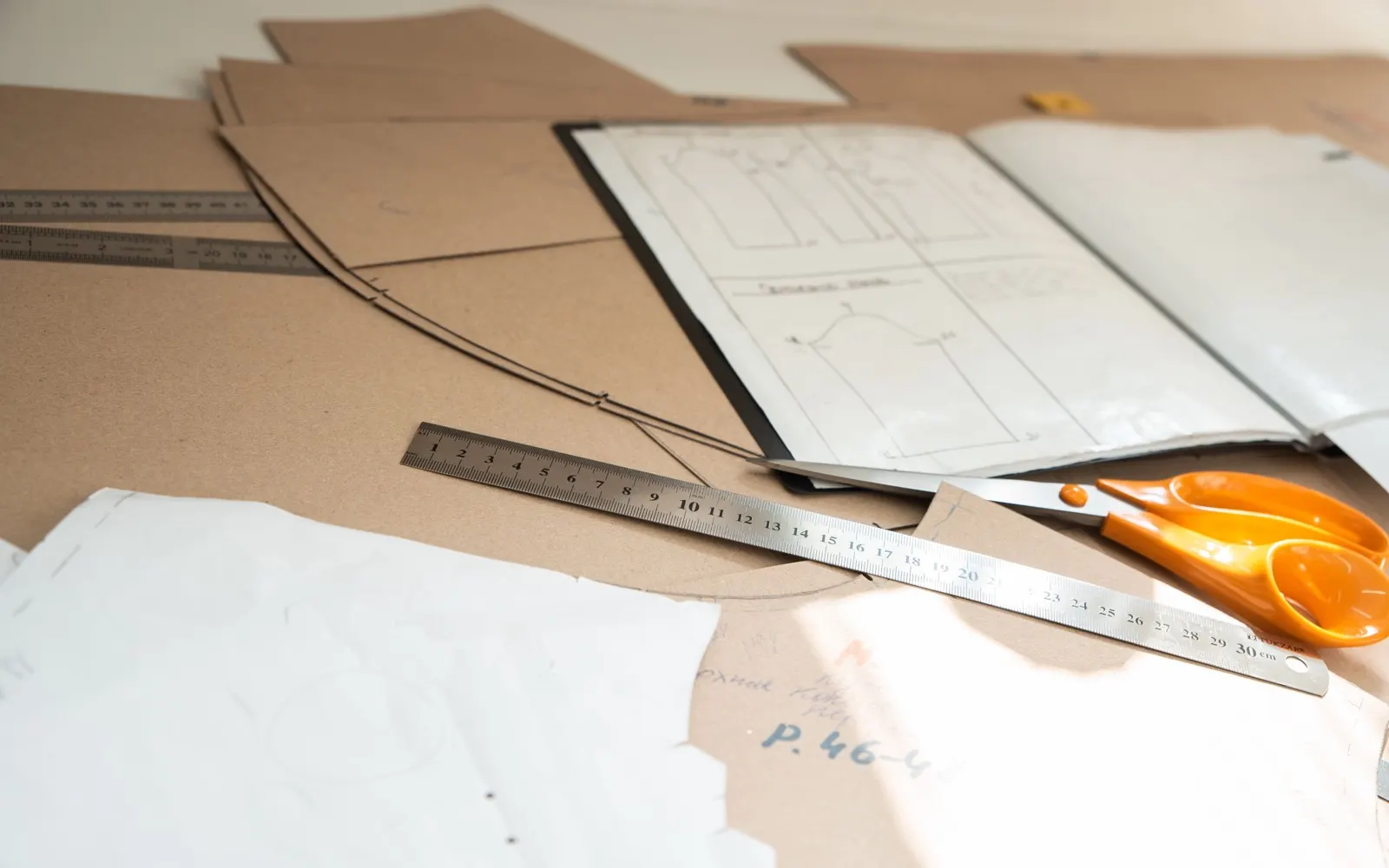
There's a particular moment in building a clothing brand when the idea starts to feel real.
You've chosen a name. Perhaps you've sketched a few designs, created a logo or spent evenings thinking about how your first collection should look.
You can almost picture someone wearing it.
Then comes the question that changes everything.
Who's actually going to make these clothes?
Finding a clothing manufacturer sounds straightforward until you begin searching.
Some factories produce huge quantities. Others specialise in particular garments. One manufacturer may offer printing and labels, while another expects you to provide detailed specifications before discussing production.
Prices vary. Minimum orders vary. So do communication, sampling procedures and quality controls.
And because your first manufacturing decision can influence everything from product quality to delivery schedules, choosing on price alone can be a costly mistake.
The right manufacturing partner isn't simply the cheapest factory. It's the one whose capabilities genuinely match what you're trying to create.
Here's what to understand before making that decision.
Start With the Product, Not the Factory
It's tempting to contact ten manufacturers immediately and ask for quotations.
But there's a problem.
If you haven't defined the garment you want, those quotations may not be comparable.
Imagine telling three factories that you want a premium oversized T-shirt.
One might assume lightweight cotton. Another might quote a heavier fabric. A third may use different measurements or finishing.
All three could technically be quoting for an oversized T-shirt.
They would not necessarily be quoting for the same product.
Before approaching a manufacturer, establish the basics.
What garments are you creating? Who will wear them? What fit do you want? What fabric characteristics matter? Which colours and sizes will you offer?
You don't need to know every technical detail.
But the clearer your vision, the easier it becomes to evaluate whether a factory understands it.
Understand What the Manufacturer Actually Makes
Not every clothing factory specialises in the same type of work.
A business that manufactures knitted T-shirts, polos, hoodies and sweatshirts may have different equipment, processes and expertise from one specialising in denim, tailored jackets or technical outerwear.
That distinction matters.
A manufacturer can be experienced, professional and capable without being the right partner for your particular collection.
Look closely at the garments it already produces.
If you're developing casual knitwear, experience with knitted fabrics, ribbing, neckline construction and suitable finishing processes is relevant.
If you're designing structured woven clothing, your requirements will be different.
Ask for examples of comparable products and discuss the level of customisation available.
Don't assume that a factory can manufacture any design simply because it produces clothing. What Is a Tech Pack, and Do You Really Need One? You'll probably encounter the term tech pack during your manufacturing research.
It sounds intimidating, but the concept is straightforward.
A tech pack is a technical document describing how a garment should be made.
Depending on the product, it may include:
- Technical sketches.
- Measurements and size specifications.
- Fabric composition and weight.
- Colour references.
- Stitching and construction details.
- Labels, trims and packaging requirements.
- Printing or embroidery placement.
- Quality expectations and measurement tolerances.
Think of it as a shared reference between your brand and the people making your clothes.
Without sufficient specifications, different people may interpret the same design differently.
A good technical brief reduces that ambiguity.
What if you're just starting out?
You may not have a complete professional tech pack yet.
That's common.
Some manufacturers or product-development specialists can help refine specifications from an initial concept, reference garment or detailed brief.
Others require a completed technical package before proceeding.
Ask what level of development support is available and whether it involves additional charges.
Don't assume design development is included in a standard manufacturing quotation.
Minimum Order Quantity: The Detail That Can Change Your Budget
MOQ stands for minimum order quantity.
It describes the minimum quantity a manufacturer is prepared to produce under particular conditions.
But here's where new brand owners sometimes misunderstand the numbers.
Suppose a factory quotes a minimum of 300 pieces.
Does that mean 300 pieces of one design?
Can you split those pieces across several colours?
What about sizes?
Would different fabrics, prints or labels require separate minimum quantities?
The answers can make a substantial difference.
A minimum order is not always interchangeable between styles or colourways.
Fabric sourcing, printing setup, dyeing and production efficiency can all influence the quantity a manufacturer can offer.
Before accepting a quotation, ask for a clear breakdown.
It's far better to understand the terms before production than discover halfway through that your planned collection doesn't meet the factory's requirements.
Sampling: The Stage You Shouldn't Rush
A photograph of a garment isn't the same as holding it in your hands.
That's why samples matter.
A physical sample allows you to examine fit, fabric feel, construction and proportions.
Does the neckline sit correctly?
Is the length what you imagined?
Are the sleeves balanced?
Does the fabric behave properly when stretched or washed?
Even a garment that looks attractive on a screen may need adjustment before it is ready for production.
One sample may not be enough
Depending on the project, sampling can involve several stages.
You may begin with a development sample to assess the general design and fit.
After changes are made, additional samples may be required.
Before bulk manufacturing, an approved pre-production sample can help establish the intended standard for fabric, trims, measurements and workmanship.
The exact process differs between manufacturers and products.
Agree on what each sample represents, what is being approved and how requested revisions will be recorded.
Most importantly, don't treat a sample as approved simply because you're eager to launch.
A little patience here can prevent much larger frustrations later.
Fabric Quality Is More Than a Name on a Quotation
Imagine two manufacturers quoting for a cotton T-shirt.
Both describe the garment as 100% cotton.
Their prices are different.
Does the more expensive quotation automatically mean better quality?
No.
The fibre content is only one part of the specification.
Yarn type, fabric construction, weight, dyeing, finishing and sewing can all influence the finished garment.
Ask whether the fabric has been tested for relevant performance characteristics.
Depending on the garment, these might include shrinkage, colourfastness, pilling and dimensional stability.
Also pay attention to consistency.
A good-looking sample means little if bulk production differs noticeably from what you approved.
For growing clothing brands, repeatability can be just as important as the first impression.
Understand the Difference Between Price and Total Cost
It's natural to be concerned about manufacturing costs.
After all, your business needs a viable selling price and sufficient margin.
But the lowest quoted garment price doesn't necessarily represent the lowest overall cost.
You may also need to account for:
- Sampling and development.
- Fabric and trim costs.
- Printing or embroidery.
- Custom labels.
- Packaging.
- Inspection and testing.
- Transport and shipping.
- Import duties and taxes, where applicable.
- Currency fluctuations.
- Allowances for defects and unexpected expenses.
Ask whether the quoted price includes or excludes each relevant item.
For international orders, clarify the agreed shipping terms and who is responsible for freight, customs procedures and related costs.
A quotation becomes much more useful when you can compare like with like.
Communication Is a Quality-Control Tool
Some manufacturing problems begin long before anyone touches a sewing machine.
They begin with an unclear email.
A measurement gets misunderstood. A fabric change isn't recorded. A colour reference is interpreted differently. Someone assumes a detail was approved when it wasn't.
Good communication isn't merely pleasant customer service.
It's part of controlling the product.
Before committing to a supplier, pay attention to how clearly questions are answered.
Does the manufacturer confirm specifications in writing?
Are changes documented?
Can it explain which parts of your request are feasible and which may cause difficulties?
Does it identify potential problems rather than promising everything is possible?
A supplier that asks thoughtful questions may be more valuable than one that agrees with every instruction immediately.
Ask About Quality Checks Before Production Begins
Quality isn't something that should be considered only when the garments are ready to ship.
Ideally, the agreed standard should be clear before bulk production begins.
For example, the manufacturer and buyer may need to agree on garment measurements, acceptable tolerances, approved materials, stitching requirements and the approach to identifying defects.
Depending on the project, quality control can include checks during fabric receipt, cutting, sewing, finishing and final inspection.
Not every factory uses the same procedures.
Ask how the manufacturer approaches quality assurance and what documentation or inspection arrangements are available.
If independent inspection is important to your business, discuss that requirement before placing the order.
Do not assume any particular inspection or certification process is included unless it has been confirmed.
How Long Does Clothing Manufacturing Take?
There isn't one standard production timeline.
The answer depends on several factors.
Are the fabrics available?
Does the design need development?
How many samples are required?
Are custom trims being sourced?
What is the production quantity?
Are there printing or embroidery requirements?
How much capacity does the factory have during the requested period?
Shipping arrangements can also affect when the finished garments actually arrive.
Instead of asking only, "How quickly can you make it?", request a realistic schedule covering the major stages.
For example, distinguish between sample development, material sourcing, bulk production, final inspection and dispatch.
Build reasonable contingency into your launch plan.
A credible manufacturing schedule is more useful than an impressive promise that cannot be maintained.
Five Questions Worth Asking Every Potential Manufacturer
Before deciding, make sure you can answer these:
Have you produced garments similar to mine?
Comparable experience helps establish whether the manufacturer understands your product category.
What exactly is included in the quotation?
Confirm fabrics, trims, decoration, packaging, sampling and shipping arrangements.
How are samples and revisions approved?
Establish the process for evaluating fit, quality and specification changes.
What are the minimum quantities and production conditions?
Clarify whether minimums apply per style, colour, fabric or another unit.
How will quality and delivery expectations be managed?
Ask what standards, checks, timelines and communication procedures are agreed upon.
The answers should help you compare manufacturers on more than price.
Choosing a Manufacturer in Pakistan
Pakistan has an established textile and garment manufacturing sector, with businesses producing a wide range of knitted and woven products.
For brands researching manufacturing options in the country, the same principles apply as they would elsewhere.
Check specialisation, product samples, technical capabilities, commercial terms and delivery expectations.
If you're sourcing internationally, give additional attention to shipping arrangements, documentation, communication and the requirements of your destination market.
A manufacturer's location is only one factor.
What matters is whether the proposed partnership can meet your product and business requirements.
MP Apparels & Garments is based in Karachi and presents its capabilities around T-shirts, polos, sweatshirts, hoodies and related garment manufacturing.
For a business developing these product categories, discussing fabric requirements, customisation and manufacturing expectations is a sensible starting point.
Specific order quantities, development services, timelines and commercial terms should always be confirmed directly.
Your First Collection Doesn't Have to Be Complicated
There's a temptation to launch with everything.
Ten designs. Multiple colours. Several fabrics. Different fits. Elaborate packaging.
It's exciting, but it can also become difficult to manage.
A smaller, clearly defined first collection may be easier to sample, test, budget and refine.
That doesn't mean every new brand should launch with a single product.
It means complexity should serve a purpose.
Choose the products you understand, define what makes them different and work through the manufacturing details carefully.
You can expand your collection as your knowledge and customer feedback develop.
The Right Manufacturer Helps Turn an Idea Into a Repeatable Product
Starting a clothing brand involves creativity.
Manufacturing brings that creativity into the physical world.
The transition requires more than a good design.
It calls for clear specifications, realistic budgets, suitable materials, approved samples, dependable communication and practical quality controls.
Don't choose a supplier solely because it gives the lowest number.
And don't assume the largest factory is automatically the best choice.
Look for a manufacturing partner whose capabilities and working approach fit your brand.
Your first order is important. Your ability to produce the next one consistently matters just as much.
Frequently Asked Questions
How do I find a clothing manufacturer for my start-up?
Begin by identifying manufacturers experienced in your product category. Compare their capabilities, sample processes, minimum quantities, communication and quality arrangements.
What is a clothing manufacturing MOQ?
MOQ means minimum order quantity. It may apply per style, colour, material or another production unit, so the exact basis must be confirmed.
Do I need a tech pack to manufacture clothing?
A clear technical specification is highly beneficial. Some manufacturers can help develop one, while others require a completed tech pack.
Should I request samples before bulk production?
Yes. Physical samples help you assess construction, fit and material quality before committing to a larger order.
How can I protect my clothing designs?
Use appropriate confidentiality and contractual arrangements, and consider professional legal guidance about relevant intellectual property protections. Procedures and enforceability vary by jurisdiction.
Can a manufacturer make custom labels and prints?
Many manufacturers offer such services, but capabilities, minimum quantities, costs and lead times vary. Confirm the exact options with each supplier.