Why Clothes Fade, Shrink or Pill: What Brands Should Check Before Production
Learn how clothing brands can check fabric shrinkage, colourfastness and pilling before bulk garment production, with practical quality-control advice.
· 10 min read
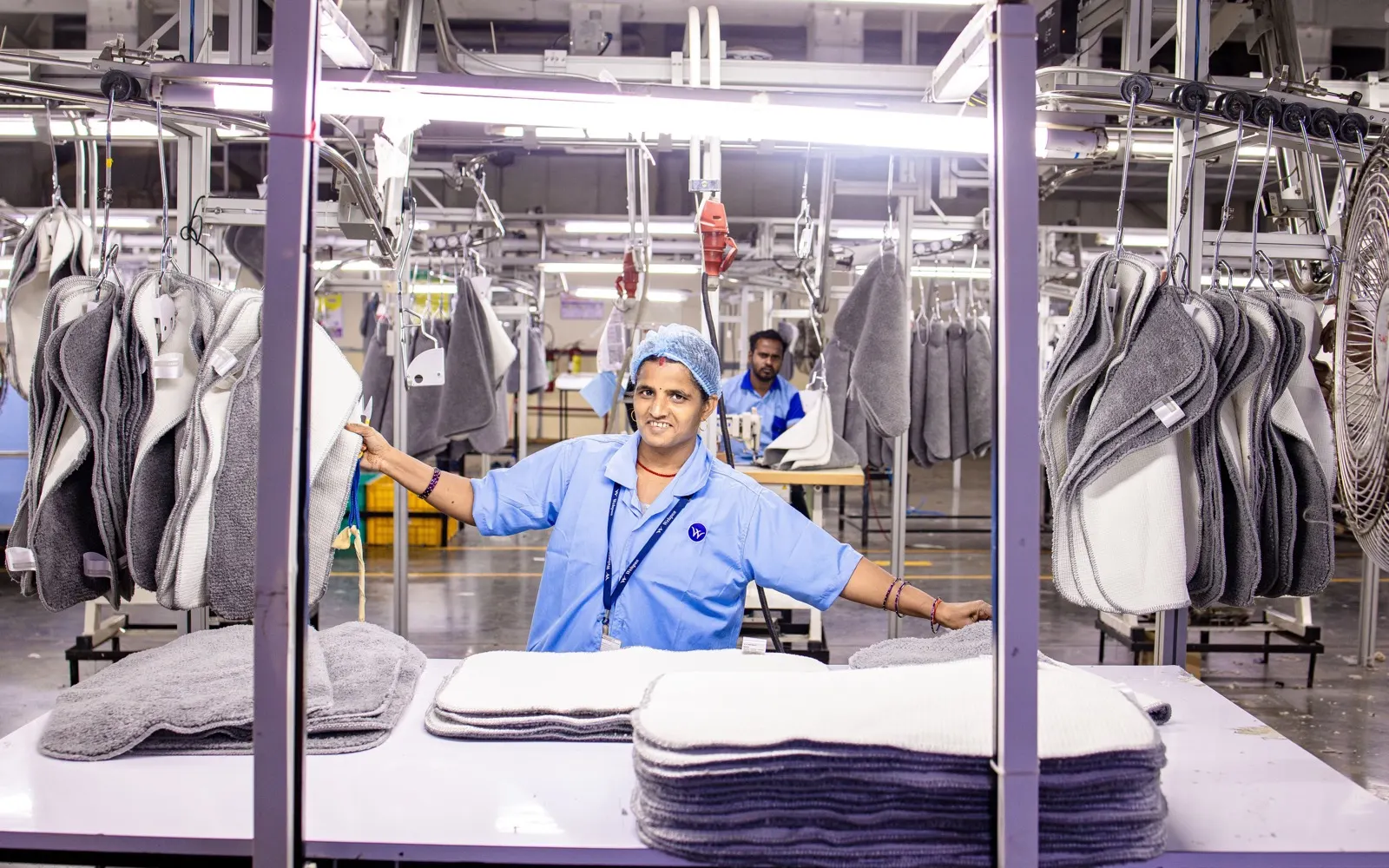
Colour changes, shrinking and fabric pilling can turn a promising clothing collection into a disappointing customer experience. Many of these risks can be investigated before bulk production begins.
Imagine launching a new collection of T-shirts.
The colours look excellent, the samples have been approved and the first orders are reaching customers. Then the feedback begins.
One customer says the black T-shirt has lost its colour. Another finds that a top no longer fits after washing. Someone else notices small fuzzy balls forming across the fabric.
Three different complaints, but each raises the same question for the clothing brand: could this have been identified earlier?
Not every change can be prevented. Clothing naturally experiences wear, and the way customers wash and use garments also matters. However, appropriate fabric quality testing can help brands identify potential problems before committing to a larger production run.
The important part is knowing what to check and why.
When a black T-shirt starts looking grey
A dark T-shirt may look rich and evenly coloured when it leaves the factory.
After repeated washing, its appearance can change. The colour may become less intense, or dye may transfer onto another garment during laundering.
These are related but different concerns.
Colourfastness describes how well a material resists colour change or transfer under particular conditions, such as washing, rubbing, light exposure or perspiration.
The appropriate checks depend on how the garment will be used.
For example, a casual T-shirt needs to retain an acceptable appearance through its intended care routine. A garment expected to encounter frequent perspiration may require additional consideration.
Brands should agree on the required performance and relevant test methods before production rather than relying on how the original fabric looks.
It's also useful to compare approved colour references under consistent lighting. Two fabric batches may appear similar individually but show a noticeable shade difference when placed together.
A colour approval isn't simply about choosing the right shade once. Consistency matters throughout production.
A shrinking garment changes more than its size
Consider a T-shirt that fits comfortably when new but becomes shorter after its first wash.
The chest width may change as well. Sleeves can sit differently, and the overall shape may no longer match the original design.
This is why a fabric shrinkage test or a suitable garment-level dimensional stability assessment can be important during development.
Fabrics may shrink, relax or otherwise change dimensions during laundering. Fibre composition, fabric structure, finishing and care conditions all influence the result.
A practical assessment begins with measurements.
Record the dimensions of the fabric or garment, launder it using the agreed procedure and measure it again.
Then compare the changes with the requirements established for that product.
The acceptable tolerance isn't necessarily identical for every garment. It should be specified for the material, construction, intended use and buyer's requirements.
Brands also need to consider what happens when different components behave differently.
If the body fabric changes more than the neckline ribbing, for instance, the garment may become distorted even when the overall measurements appear reasonably close to the target.
Testing the complete garment can help identify issues that a fabric swatch alone might miss.
Those little balls on the fabric have a name
You've probably seen them on clothing before: small knots or balls of tangled fibres appearing on the surface, particularly where the fabric experiences friction.
This is known as *pilling*.
It can occur when fibres work loose from the fabric surface and become entangled during wear or washing.
Pilling depends on several factors, including fibre characteristics, yarn structure, fabric construction, finishing and how the garment is used.
A soft fabric isn't necessarily poor quality because it develops some surface fuzz. However, excessive pilling may affect the appearance customers expect from the finished garment.
For clothing brands, the question is whether the material's behaviour is acceptable for the intended product.
Laboratory methods can assess resistance to surface fuzzing and pilling under specified conditions.
The results provide useful comparative information, although they cannot predict every detail of real-world wear.
This is especially relevant when selecting fabrics that will experience repeated friction, such as casual knitwear, trousers or certain active garments.
The customer sees the garment, not the test report
From a manufacturer's perspective, fabric composition, processing and quality requirements are technical subjects.
Customers experience the results in simpler ways.
Does the top still look good after washing? Has the colour changed? Does the fabric feel comfortable against the skin?
The way everyday shoppers judge clothing is worth understanding before production.
For example, MPGEAR's guide to choosing women's casual tops explores comfort, fit, fabric feel and the small details that make a garment worth wearing regularly.
These considerations are useful for brands developing casual clothing.
The aim of quality control isn't merely to produce a satisfactory laboratory result. It's to establish requirements that support the intended customer experience.
A product that meets one specification can still disappoint if the original specification didn't reflect how the garment would be used.
Activewear needs its own quality priorities
Now consider a workout top.
It may be washed more frequently than an ordinary casual garment and exposed to repeated stretching, perspiration and movement.
Colour stability and dimensional changes still matter, but the product may also require assessment of stretch recovery, seam performance, drying behaviour or other activity-specific properties.
The appropriate tests depend on the fabric and intended use.
Performance Heritage's guide to women's workout tops explains how exercise, coverage, fit and moisture handling influence what customers look for in activewear.
For manufacturers, that means the quality brief should reflect the actual activity rather than applying exactly the same requirements to every type of clothing.
A casual cotton T-shirt and a technical workout top may share some construction principles while needing different performance expectations.
Testing should follow the product's purpose.
What should happen before a production order is approved?
An attractive sample is a useful beginning, but appearance alone cannot confirm how a garment will behave after repeated use and care.
Before approving bulk production, brands should identify the principal risks associated with the selected fabric and design.
For a casual knit top, these might include colourfastness, dimensional stability, appearance after washing and pilling resistance.
Other garments may require additional checks.
A straightforward pre-production review can cover the following areas:
| Quality concern | What the brand should establish |
|---|---|
| Colourfastness | Suitable resistance to colour change or transfer |
| Shrinkage | Acceptable dimensional changes after the agreed care procedure |
| Pilling | Suitable surface appearance after the relevant test |
| Fabric consistency | Approved composition, weight, construction and shade |
| Garment appearance | Neckline, seams and overall shape after laundering |
| Fit | Measurements remain within agreed tolerances |
| Documentation | Test results, approvals and any required corrective action |
The applicable testing standards and acceptance criteria should be selected with the buyer, manufacturer or testing laboratory.
National Textile University in Pakistan, for example, lists recognised textile testing methods for dimensional change, colourfastness, pilling and other apparel properties.
The purpose of this process isn't to test every fabric for every imaginable problem.
It's to identify the checks relevant to the garment and establish an agreed basis for accepting or rejecting the result.
A passing fabric test doesn't automatically approve the garment
This distinction is easy to miss.
A fabric might meet the agreed requirements, yet the finished T-shirt could still have an uncomfortable neckline, inconsistent measurements or poorly secured stitching.
Fabric quality and garment construction need to be considered together.
Our earlier guide to choosing fabric and fit for women's T-shirt manufacturing explains why pattern proportions, necklines, sizing and sample development matter.
The same principle applies when reviewing durability.
A laboratory result offers information about a particular material or test condition. The production sample shows how those materials and construction decisions work together.
Before bulk manufacturing, both deserve attention.
If a result falls outside an agreed requirement, investigate the cause and review any proposed correction before approving the next stage.
Keep the approved standard consistent
Once a brand has approved its fabric and production sample, those references should remain clear throughout manufacturing.
Substituting a different fabric, changing a finishing process or accepting a new dye lot without appropriate review can affect the finished product.
Even seemingly small changes may influence dimensions, colour or surface appearance.
Maintaining approved references, documented specifications and appropriate production checks helps reduce that uncertainty.
It also makes conversations between the clothing brand and manufacturer more useful. Instead of debating whether a garment is simply 'good quality', both parties can refer to the agreed requirements.
No testing programme guarantees that clothing will never fade, shrink or develop pills.
What a sensible quality-control process can do is make important risks more visible before they become larger problems.
Better quality begins with better questions
When developing a clothing collection, it's natural to concentrate on colours, fits and how the finished garments will look.
But it's also worth asking what happens afterwards.
How will the fabric respond to washing? Will the colour remain acceptable? What changes might appear through ordinary wear?
These questions help clothing brands set clearer specifications and assess their materials more thoughtfully.
At MP Apparels & Garments, understanding fabric characteristics, garment construction and production requirements is central to discussing quality with clothing brands.
The goal isn't to promise that a garment will remain unchanged forever. It's to make better-informed manufacturing decisions before production begins.