How to Choose Fabric and Fit for Women's T-Shirt Manufacturing
Planning women's T-shirt production? Learn how fabric, fit, necklines, sizing and sample checks affect quality before bulk manufacturing.
· 9 min read
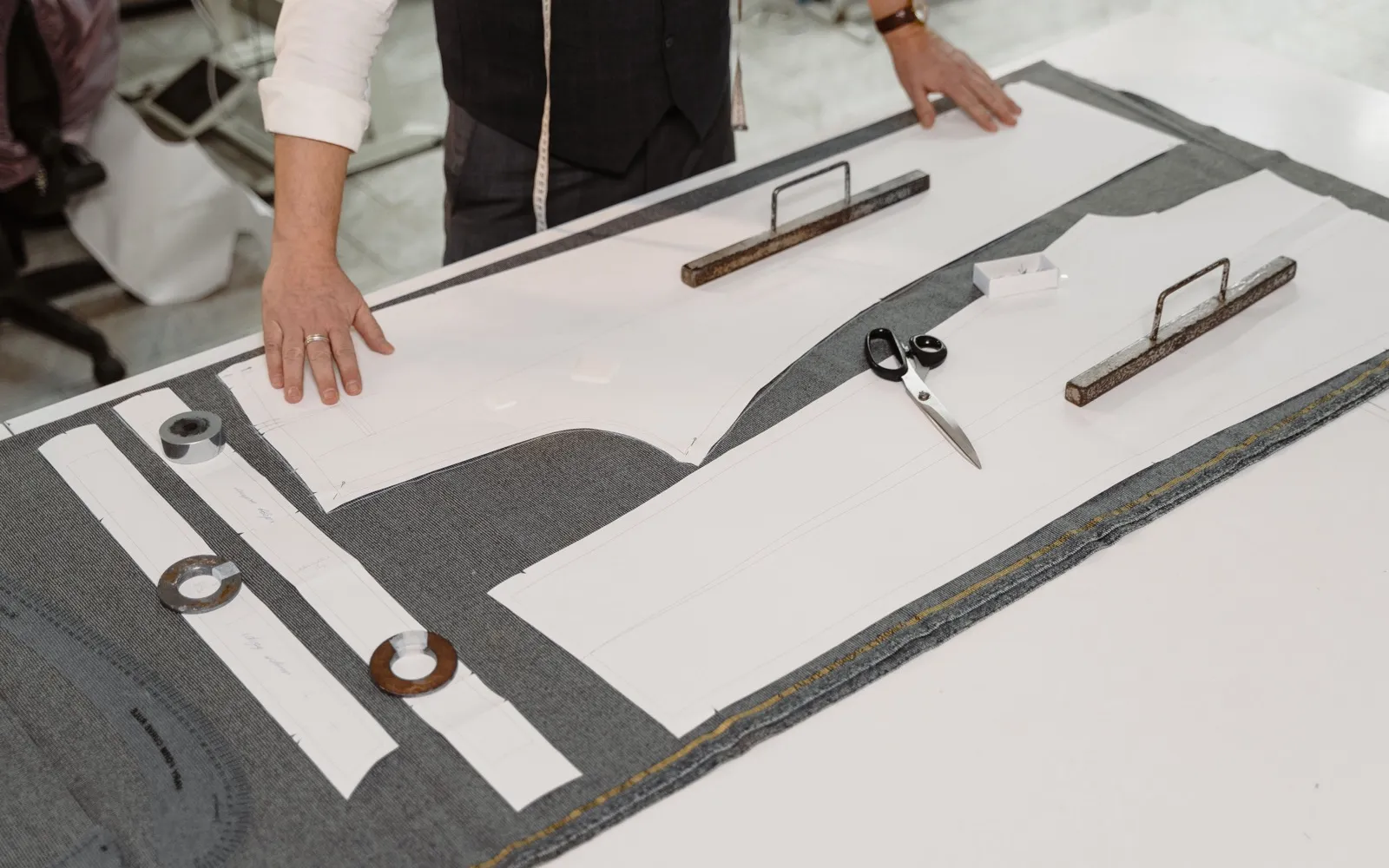
Planning a women's T-shirt collection? The decisions you make before production, from fabric and neckline to sizing and sample approval, will shape the finished garment.
Imagine you're developing a small collection of women's T-shirts.
You have a clear idea of the colours, the style and the kind of customer you're designing for. The sketches look promising, and you've found a manufacturer to discuss production.
Then comes a question that sounds simple enough: what exactly should the T-shirt feel and fit like?
It's worth answering properly.
A relaxed cotton top, an oversized T-shirt and a fitted everyday style can all start with a similar basic design. Yet the fabric, measurements and construction needed to make each one work can be quite different.
For brands exploring women's T-shirt manufacturing, getting these decisions right early can prevent expensive changes later.
Begin with the person who will wear it
Before choosing fabric, picture the finished T-shirt being worn.
Is it a comfortable top for everyday errands? Something to wear with jeans? A longer, relaxed T-shirt intended to sit neatly over trousers?
Perhaps the collection is aimed at customers who prefer more coverage around the neckline, arms or hips.
These aren't minor styling preferences. They influence the pattern, fabric and measurements.
For example, an oversized T-shirt needs more than a larger chest measurement. The shoulder position, sleeve opening and body length must work together to create the intended silhouette.
A fitted top presents different challenges, particularly around stretch, recovery and movement.
The clearer the customer and design brief, the easier it becomes to discuss suitable construction with a manufacturer.
Turning a design idea into a production brief
A reference photograph is a useful starting point, but it leaves plenty of questions unanswered.
How wide should the neckline be? Where should the shoulder seam sit? How long should the sleeves fall? Does the garment need a straight hem or a slightly different shape?
For custom women's T-shirts, these details should be agreed before production.
A practical brief normally includes the intended silhouette, garment measurements, fabric preferences, colours, size range and any required labels or decoration.
It should also explain how the top is expected to fit.
The word *relaxed*, for instance, can mean different things to different people. Actual measurements and a physical sample help remove that uncertainty.
There's another useful perspective here: what does a customer notice when trying on a T-shirt?
MPGEAR's guide to recognising a good-quality T-shirt before buying looks at fabric feel, stitching and everyday fit from the shopper's side.
For a clothing brand, those observations can help shape the decisions made much earlier, during garment development.
Choosing the fabric for the collection
Suppose your first design is a relaxed summer T-shirt.
Cotton might be an obvious material to consider. It has a familiar feel and is widely used in everyday clothing.
But asking for cotton alone won't define the result.
A soft, lightweight cotton jersey may hang differently from a heavier knitted fabric. Even two materials with the same fibre composition and nominal weight can differ in texture, stretch, opacity and drape.
GSM, or grams per square metre, tells you the weight of a standard area of fabric. It's useful when comparing materials, but it isn't a quality score.
For women's cotton T-shirts, consider how the fabric supports the shape you want.
A relaxed design may need enough body to hang properly without feeling unnecessarily heavy. A closer-fitting top might benefit from a fabric with suitable stretch and recovery.
Lighter colours also deserve attention. A fabric that looks opaque on a table may offer less coverage when worn or stretched.
The sensible approach is to compare suitable fabric samples and examine them under ordinary lighting, preferably in the intended garment.
Choosing the highest GSM or the most expensive material won't automatically give you the best top.
The neckline can change the entire design
Imagine approving a T-shirt because the body measurements look perfect, only to discover that the neckline feels uncomfortable or sits awkwardly when worn.
It's a frustrating problem, particularly when the neckline is central to the garment's appearance.
For a crew-neck T-shirt, consider the opening width, depth and the way the neckband sits against the body.
The ribbing and stitching need to suit the main fabric. Poorly balanced construction can leave a neckline looking stretched or wavy.
If your customers prefer modest everyday tops, coverage may be especially important. A slightly different neckline depth or shoulder position can noticeably change how comfortable the wearer feels.
Check the sample while it's being worn, not just when it's laid flat.
That applies to sleeves too. A dropped shoulder, regular sleeve and closer-fitting sleeve create very different silhouettes.
The aim isn't to make every T-shirt fit the same way. It's to reproduce the intended design consistently.
One approved size doesn't make a complete size range
Let's say the medium sample fits beautifully.
That's encouraging, but it doesn't mean every other size is ready.
When a T-shirt moves from Small to Medium to Large, its measurements need to change in a controlled way. This process is known as grading.
The proportions should remain appropriate to the design across the intended size range.
For women's T-shirt production, a measurement specification may include chest width, body length, shoulder width, sleeve length, armhole and neckline dimensions.
How those measurements are taken matters as much as the numbers themselves.
A brand and manufacturer should agree on measurement methods and acceptable tolerances before bulk production.
Fit should also be assessed on the body where practical. A top can match its flat measurements and still pull across the shoulders, sit awkwardly around the hips or feel restrictive when the wearer raises her arms.
This is why fitting and technical measurements work best together.
What if the collection includes an active top?
Perhaps you're planning a second design for walking, training or other physical activity.
It might look similar to your casual T-shirt, but the requirements can be different.
A top intended for exercise may need greater attention to stretch, freedom of movement, moisture handling and drying behaviour.
Polyester and blended fabrics can offer useful characteristics for particular applications, although the fibre label alone doesn't establish performance.
Terms such as *breathable*, *moisture-wicking* and *quick-dry* also describe different properties.
Performance Heritage explains those distinctions in its guide to breathable, moisture-wicking and quick-dry activewear.
The manufacturing decision is whether the chosen material and construction meet the intended garment's requirements.
A casual cotton T-shirt doesn't need to be presented as sportswear. Equally, a training top shouldn't receive performance claims without appropriate supporting evidence.
Knowing the purpose of each design keeps the specifications useful.
The first sample is where the real decisions happen
Once the fabric and measurements are agreed, the first physical sample brings everything together.
This is where a design sometimes surprises its creator.
The fabric may drape differently than expected. The sleeves might need adjusting, or the body length may look too short when worn with the intended trousers.
That's part of development.
Review the garment against the brief, checking the fit, fabric, neckline, sleeve construction and overall appearance. Record the changes clearly instead of relying on memory or general comments.
If a second sample is needed, it should address the agreed corrections.
There's also a less glamorous but important step: washing the garment.
Fabric can shrink or relax after laundering. Side seams may twist, the neckline may lose its intended shape, or the overall proportions can change.
Measure the sample before and after washing according to its proposed care instructions, then compare the result with the agreed tolerances.
For a more detailed approach, our guide to checking a T-shirt sample before bulk production explains how brands can review measurements, stitching, shrinkage and construction.
Sample approval should be based on what the garment actually does, not simply how good it looks when new.
Before committing to bulk production
By this stage, your collection should be more than a design idea.
You should have an approved sample and a clear set of specifications describing the garment you want reproduced.
Before placing a bulk order, confirm the essentials with your manufacturer.
| Production detail | What should be agreed |
|---|---|
| Fabric | Composition, weight, construction and approved reference |
| Fit | Measurements, grading and acceptable tolerances |
| Neckline and sleeves | Intended shape and construction |
| Colour | Approved colour references |
| Trims and labels | Required type, placement and finish |
| Washing | Acceptable dimensional changes and care instructions |
| Sample | Final approved version |
| Quality control | Checks and acceptance requirements for production |
The approved sample becomes a useful reference, but it doesn't guarantee that every finished garment will be identical.
Production quality checks remain necessary.
Good communication matters here. When a change is made to the fabric, fit or construction, its effect on the approved garment should be considered before proceeding.
Clear records make those conversations much easier.
Frequently asked questions
What fabric is best for women's T-shirt manufacturing?
The most suitable fabric depends on the design, intended use, fit and customer preferences. Cotton, polyester and blends can all be appropriate for different types of women's tops.
What does GSM mean for a women's T-shirt?
GSM means grams per square metre. It measures fabric weight, not overall garment quality. Fabric structure, finishing, drape and opacity also matter.
How do I find the right women's T-shirt manufacturer?
Look for a manufacturer whose capabilities match your garment requirements. Discuss fabric options, sample development, measurements, quality checks and production expectations before committing to an order.
Do women's oversized T-shirts need different patterns?
Usually, yes. An intentional oversized fit involves coordinated changes to the garment's proportions, not simply using a larger standard size.
Why should I wash a sample before production?
Washing can reveal shrinkage, twisting, shape changes and other issues that aren't obvious when the garment is new.
What should a clothing brand prepare before requesting a sample?
A design reference, intended fit, measurements, size range, fabric preferences, colours and branding requirements provide a practical starting point.
A better collection starts before the first production run
Developing a women's T-shirt collection involves a series of connected decisions.
Fabric affects drape. The pattern determines how the top sits on the body. Neckline and sleeve construction influence comfort, while grading and quality checks help maintain the intended design across sizes.
Getting these details right takes more than choosing an attractive reference photograph.
For clothing brands exploring a women's T-shirt manufacturer in Pakistan, a clear production brief and carefully reviewed sample provide a stronger basis for discussing bulk manufacturing.
At MP Apparels & Garments, we understand the importance of clear garment specifications and practical manufacturing decisions.
The more clearly a brand defines what it wants to make, the easier it becomes to assess whether the finished garment meets that expectation.