How Fabric and Construction Affect the Quality of Men's Shorts
Learn what makes well-constructed men's shorts, from fabric and waistbands to stitching, sizing, shrinkage and quality checks before bulk production.
· 10 min read
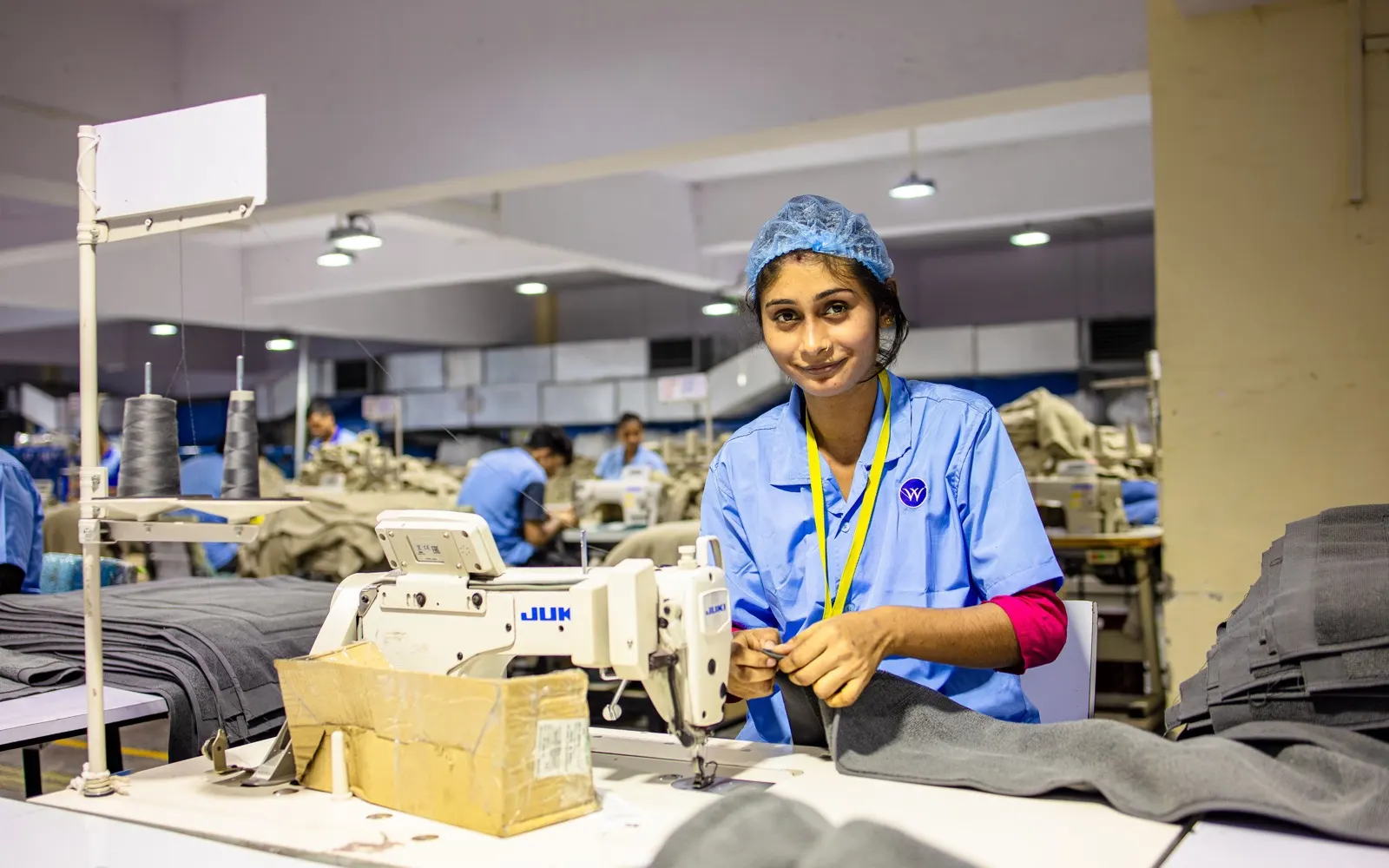
From fabric selection to waistband construction, the smallest production decisions can make a noticeable difference to how men's shorts fit, feel and last.
A pair of shorts can look perfectly ordinary.
Until you wear it.
The waistband rolls. The pockets pull. The fabric feels heavier than expected. Or the fit changes after the first few washes.
For a customer, these are frustrating details.
For a clothing brand ordering hundreds of pieces, they can become expensive problems.
That's why manufacturing good men's shorts begins long before the final garment reaches a shop.
It begins with fabric, fit and construction.
Start with the fabric, not the appearance
Two pairs of men's shorts may look almost identical in photographs. Yet they can feel entirely different.
Cotton, polyester and blended fabrics all behave differently.
Cotton is often chosen for its familiar feel and everyday comfort. Polyester may offer useful characteristics for certain athletic and quick-drying garments. Blends can provide a balance of properties, depending on their composition.
But the fibre label only tells part of the story.
Fabric structure, weight, finishing and stretch can all affect the finished garment.
A lightweight woven fabric may suit casual summer shorts. A knitted fabric with appropriate stretch may be preferable for relaxed or movement-focused designs.
The real question isn't simply which fabric is better.
It's whether the fabric works for the shorts you're trying to produce.
Does GSM matter?
Yes. But not in the way people sometimes assume.
GSM means grams per square metre. It measures fabric weight.
A higher GSM can give shorts a more substantial feel. A lower GSM may create a lighter garment.
Neither automatically guarantees quality.
A heavy fabric with poor construction can produce uncomfortable shorts. A lighter, carefully selected fabric may work beautifully for warm weather.
Manufacturers and clothing brands should assess fabric weight alongside its construction, drape, opacity and intended use.
Choosing GSM in isolation can lead to the wrong result.
The waistband can make or break the fit
Ask someone what makes shorts comfortable, and they'll probably mention the fabric.
Fair enough.
But the waistband deserves just as much attention.
It needs to hold the garment in position without feeling unnecessarily tight, twisting or digging into the body.
Elastic quality, waistband width, stitching and overall construction all contribute to the result.
A drawstring may offer additional adjustment, but it cannot always compensate for poor sizing or badly balanced elastic.
During sampling, brands should check the waistband both when relaxed and when stretched.
Then try the shorts on.
Sitting, bending and walking can reveal problems that a flat measurement cannot.
Watch the seams and pockets
Stitching is easy to overlook when a garment is new.
Until something goes wrong.
A poorly secured pocket can pull away. Uneven stitching may distort the fabric. An unsuitable seam can feel restrictive or become vulnerable during repeated use.
The construction must suit the fabric.
Knitted shorts generally need seams that accommodate movement and stretch. Woven shorts have their own construction requirements.
Pocket placement matters too.
Pockets that are too shallow may be inconvenient. Poorly positioned openings can interrupt the garment's shape or pull awkwardly when items are carried.
These are small design decisions.
Together, they influence how customers experience the finished product.
Getting men's shorts sizing right
A size label alone doesn't tell you much.
Two garments marked Medium can have noticeably different waist measurements, rise, leg openings and lengths.
For manufacturers, consistent sizing requires an agreed measurement specification.
Important points may include:
- Waist measurement, relaxed and stretched
- Hip width and garment rise
- Inseam and outseam lengths
- Thigh and leg-opening measurements
- Pocket dimensions and placement
The exact measurements depend on the style.
Casual cotton shorts and athletic training shorts aren't necessarily designed to fit the same way.
What matters is agreeing on the intended fit before bulk production.
A sample should be measured, worn and assessed for movement.
Not simply approved because it looks right on a table.
From a shopper's perspective, these details can be surprisingly difficult to judge. MPGEAR's guide to recognising a good-quality T-shirt before buying explores similar questions about fabric, stitching and fit in everyday clothing. Although shorts have different construction requirements, the principle carries across: a garment should feel as good as it looks.
What happens after washing?
Here's where good-looking samples sometimes disappoint.
Fabric can shrink. Seams may twist. Colours can change. Elastic may respond differently to repeated washing and drying.
These changes depend on the materials, construction and care conditions.
A practical sample check involves measuring the garment before washing, laundering it according to its proposed care instructions and measuring it again.
Look beyond overall length.
Check the waistband, leg openings, seam alignment and pocket appearance.
Does the garment still resemble the approved sample?
Have its proportions changed?
If the differences exceed the agreed tolerances, investigate before production begins.
For a broader explanation of garment sampling, see our guide to checking a T-shirt sample before bulk production. The principles of measuring, washing and reviewing construction are relevant to shorts as well.
Casual shorts and performance shorts aren't the same
A relaxed pair of men's casual shorts might prioritise softness, a comfortable waistband and an easy everyday fit.
Training shorts may require greater attention to mobility, moisture handling and freedom of movement.
Neither category is automatically more demanding.
They're simply designed for different purposes.
A fabric that feels comfortable while sitting at home may behave differently during prolonged exercise.
Similarly, a lightweight performance fabric may not provide the appearance or structure a casualwear brand wants.
This is why manufacturers should understand the intended customer before recommending fabric or construction.
For shoppers, comfort often comes down to details such as waistband fit, length and how the garment moves during ordinary activities.
For activewear, fabric performance and construction become especially important.
Breathability, moisture movement and drying behaviour are three distinct considerations. Performance Heritage explains these differences in its guide to breathable, moisture-wicking and quick-dry activewear. Understanding them can help brands establish more appropriate fabric requirements for shorts intended for exercise.
Manufacturing shorts for Pakistan's climate
Pakistan doesn't experience one uniform climate.
Karachi's humid conditions, hot summer days in many cities and cooler seasonal weather can all influence clothing preferences.
For men's shorts intended for casual everyday use, brands may wish to prioritise lightweight comfort, suitable coverage and fabric that feels appropriate in warm conditions.
That doesn't automatically mean choosing the thinnest material available.
A garment must still provide the intended fit, appearance and durability.
Climate should inform the design brief, not replace proper sampling and quality checks.
Before approving bulk production
A sample gives clothing brands an opportunity to identify problems while corrections are still practical.
Before signing off, examine the fundamentals.
| Area | What to confirm |
|---|---|
| Fabric | Correct composition, weight and construction |
| Waistband | Appropriate stretch, recovery and comfort |
| Fit | Agreed measurements and natural movement |
| Stitching | Consistent seams and secure finishes |
| Pockets | Correct placement, dimensions and attachment |
| Washing | Changes remain within agreed tolerances |
| Appearance | Consistent shape, colour and finishing |
| Production sample | Represents the intended bulk specifications |
A good sample is a reference point.
Not a guarantee that every production garment will be identical.
Quality control during bulk manufacturing remains essential.
Frequently asked questions
Which fabric is best for men's shorts?
There is no single best fabric. Cotton, polyester, blends and other materials can all be suitable depending on the intended fit, use, care requirements and garment design.
Are higher-GSM shorts better quality?
Not necessarily. GSM measures fabric weight. Construction, fibres, finishing and workmanship also influence quality.
What should brands check when manufacturing elastic-waist shorts?
Waistband measurements, elastic recovery, stitching, comfort during movement and performance after washing are important starting points.
Why do shorts sometimes shrink after washing?
Dimensional changes may result from fabric characteristics, finishing, garment construction and laundering conditions. The extent of change should be evaluated against agreed specifications.
Should clothing brands approve a sample before bulk manufacturing?
Yes. Sampling allows brands and manufacturers to review fabric, fit, measurements and construction before larger-scale production.
Good shorts begin with thoughtful decisions
The difference between ordinary shorts and well-made shorts isn't always obvious at first glance.
Sometimes it's the way the waistband sits.
Sometimes it's a seam that moves comfortably with the body.
Sometimes it's simply a garment that keeps its intended proportions after washing.
For clothing brands, these details deserve attention before bulk production begins.
At MP Apparels & Garments, understanding fabric selection, garment construction and sample approval helps frame better manufacturing decisions.
Quality is rarely about one impressive feature. It's about making the small details work together.