Personalised Mum and Wife Hoodies: Design Ideas for Clothing Brands
Explore personalised mum and wife hoodie designs, from children's names and wedding dates to embroidery, matching sets and bulk manufacturing.
· 11 min read
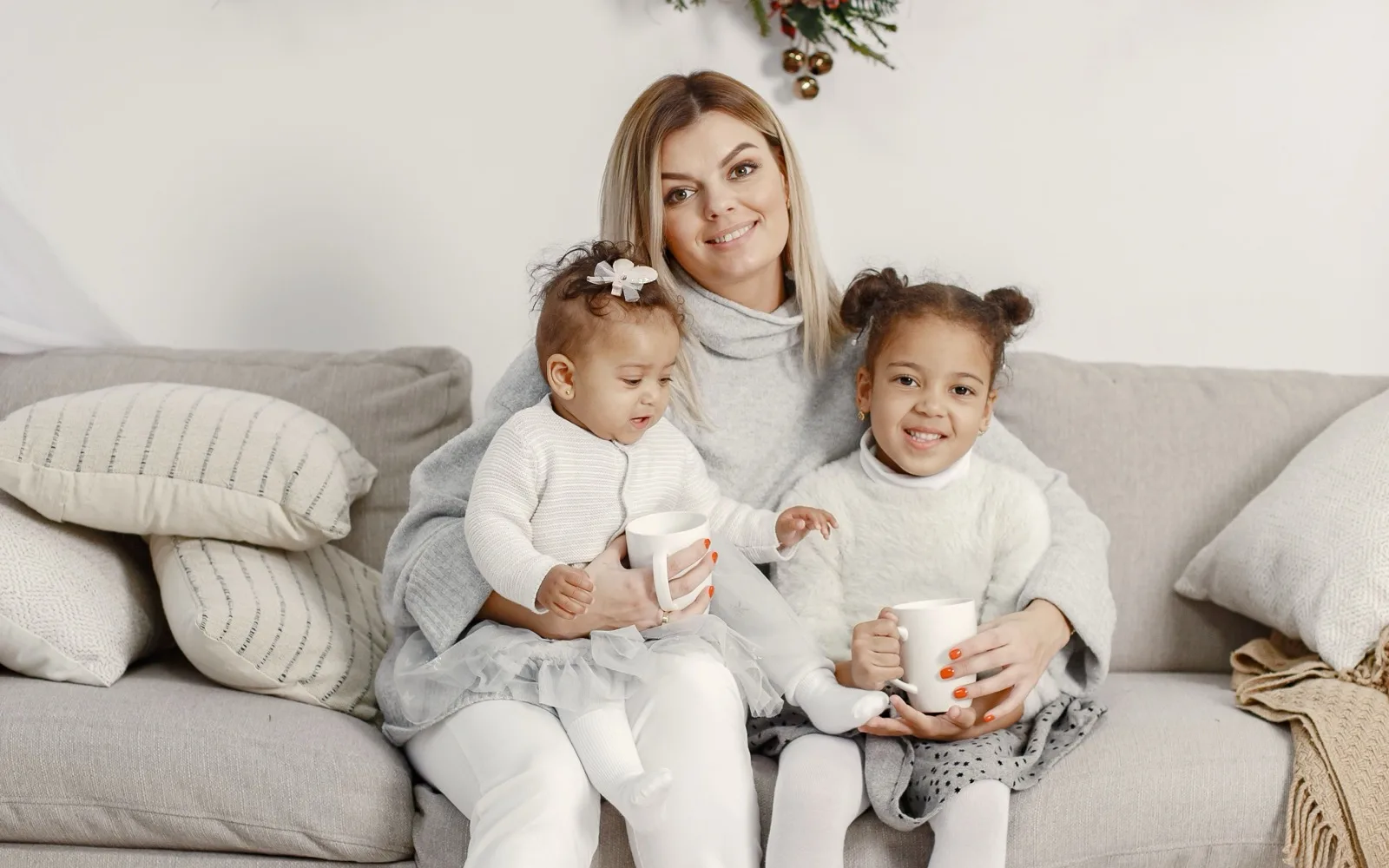
There's something rather lovely about a sweatshirt that carries a name only one family would recognise.
It might be a child's name stitched discreetly along the sleeve. A wedding date beneath the word Mrs. Or simply Mama, embroidered in lettering that feels understated enough to wear on an ordinary Tuesday.
None of these ideas needs an elaborate illustration.
In fact, the smallest details are often what give personalised clothing its character.
For independent clothing brands and gift retailers, personalised mum and wife hoodies offer an opportunity to develop collections built around relationships and meaningful occasions. But finding a phrase that looks appealing on Instagram is only the beginning. The real design decisions involve where the artwork sits, how it looks across different sizes and whether the finished garment feels like something a customer will genuinely enjoy wearing.
At MP Apparels & Garments, those decisions form part of a wider custom manufacturing process in which designs, specifications and samples must be agreed upon before bulk production.
The appeal of something made personal
Think about the difference between a sweatshirt that says Mama and one that says Mama Est. 2023, with two children's names embroidered near the cuff.
The first expresses an identity. The second tells a particular story.
That distinction is worth understanding if you're developing personalised clothing for a retail brand.
Some customers enjoy visible lettering and playful slogans. Others would rather have a small initial, a surname or a date that carries meaning without attracting much attention.
Neither preference is wrong.
A collection becomes more interesting when it makes room for those differences instead of treating every mother or wife as someone who wants the same slogan printed across the chest.
For a brand, this means choosing a design personality before choosing an entire catalogue of phrases.
Will the collection feel minimal and elegant? Warm and sentimental? Bold and playful?
Once that direction is clear, individual designs become easier to develop.
Personalised mum sweatshirts: names, dates and details
A Mama hoodie can be styled in dozens of ways, but not every variation needs to become a separate product.
One approach is to begin with a consistent sweatshirt silhouette and develop two or three carefully considered artwork arrangements.
A small chest detail
Imagine Mama embroidered on the left chest, with the year she became a mother beneath it.
It's an uncomplicated design, and that is part of its appeal.
The lettering should be proportionate to the garment. A tiny date may look neat in a digital mock-up but become difficult to read after production.
Rather than choosing the smallest possible embroidery, consider the intended appearance at actual size.
Children's names along the sleeve
This is where a personalised sweatshirt begins to feel particularly individual.
Names might run vertically towards the cuff or sit in a smaller arrangement near the wrist.
But a sleeve has limited space, and not every name is the same length. Eva and Alexandra create very different artwork requirements.
If a brand wants to offer multiple names or initials, it should establish clear rules for character length, positioning and spacing.
That makes the personalisation more consistent and easier to assess.
A quiet back-neck detail
Not every meaningful element needs to be on the front.
A small date or pair of initials near the back neckline can create a more subtle design.
It may appeal to customers who like the idea of personalised clothing but prefer minimal visible branding.
The practical consideration is placement. The artwork must work with the neckline and garment construction, not interfere with them.
Wife hoodies: making a familiar idea feel distinctive
Personalised wife sweatshirts occupy slightly different territory.
They may be bought for weddings, engagements, anniversaries or simply as everyday clothing with a personal detail.
Mrs. [Surname] is an obvious starting point, but the way it is presented matters more than the phrase itself.
A clean serif lettering style can feel very different from a large handwritten script. A date beneath the surname creates another impression. Initials alone can produce something quieter.
Consider two hypothetical garments.
The first is a cream hoodie with Mrs. Ahmed embroidered in small lettering, accompanied by a wedding date.
The second is a dark sweatshirt with Wifey Est. 2026 printed across the chest in larger type.
Both belong to the same broad category, but they would appeal to different tastes.
For clothing brands, that is useful. It suggests separate design directions rather than endless minor variations of one graphic.
It also highlights why photographs and mock-ups need to represent the actual approved product accurately.
A wedding-inspired design should still look appealing once the occasion has passed. Customers may want to wear it for years, not just for one celebration.
Matching family hoodies without making everything identical
Matching family clothing sounds straightforward until adult and children's garments are placed side by side.
A large design that looks balanced on a woman's sweatshirt may overwhelm a small child's hoodie. Sleeve lettering might work beautifully on an adult size but need a different arrangement for a younger wearer.
The strongest coordinated collections aren't necessarily identical.
A mother might wear a hoodie with Mama embroidered on the chest, while a child's version carries a smaller Mini design. The same lettering style and colour palette can make the garments feel connected.
Another idea is to use a family surname, with the adults' and children's pieces sharing a common graphic element.
The details can change while the collection keeps its identity.
For brands developing matching-family sets, the artwork should be planned for each garment type and size group rather than simply scaled down from one master design.
And if children's clothing is included, the relevant garment specifications and applicable product-safety requirements must be addressed separately.
Embroidery, printing and the question of taste
There is no single decoration method that suits every personalised hoodie.
Embroidery can work beautifully for selected names, initials and relatively simple lettering. Printing may be appropriate for larger graphics, illustrations and other artwork that requires a different finish.
The decision should begin with the design.
A fine handwritten phrase might need adjustment before it can be reproduced clearly with embroidery. Similarly, a large printed graphic needs careful positioning so that it remains balanced across the intended sizes.
MP Apparels & Garments handles embroidery, printing and labels in-house, working to the buyer's approved specifications.
But artwork approval remains essential.
A personalised collection should never depend on the manufacturer guessing how a name, colour or decorative element is supposed to appear.
For clothing brands evaluating their garment foundation, MPGEAR's guide to recognising a good-quality T-shirt offers a useful consumer perspective on fit, fabric and finishing. Those same details influence whether a personalised design feels right on the finished product.
The garment should be worth wearing without the message
This part is easy to overlook.
A customer may buy a sweatshirt because of the names embroidered along the sleeve. But if the garment fits poorly, feels uncomfortable or doesn't suit their routine, the sentiment alone won't make it a favourite.
A thoughtful collection therefore needs more than attractive artwork.
Start with the intended silhouette. Is it regular, relaxed or oversized? What length suits the style? How should the sleeves sit?
Then consider the fabric and construction.
Fabric composition and GSM should be part of the technical specification. Neither a high GSM nor a particular fibre name guarantees a superior garment in every situation.
If you're choosing a sweatshirt foundation, our guide to GSM, fleece and French terry explains why fabric construction and weight matter.
For a mum-and-wife collection, garment comfort is especially important because the clothing is likely intended for ordinary use, not merely a photograph or a single occasion.
Personalisation at scale: a distinction worth discussing
Suppose a retailer wants 250 cream sweatshirts carrying the same Mama Est. 2026 embroidery.
That is a fixed design applied across the order.
Now imagine the same collection, except each sweatshirt must carry a different child's name, personal date or surname.
That is a different production requirement.
Variable names introduce additional artwork, order-identification and quality-control considerations. Brands should discuss those requirements before assuming they can be incorporated into a conventional bulk order.
MP Apparels' standard manufacturing MOQ is 250 pieces per colour, with sizes allowed to vary within that colour quantity. This does not automatically establish the feasibility or commercial terms of individually personalised garments.
If every garment requires unique wording, that must be disclosed for a separate feasibility assessment.
It's better to settle this before offering customers a personalisation option than to discover later that the proposed production process cannot support it.
From design concept to an approved garment
Once the collection's visual direction is settled, the next step is preparing the manufacturing requirements.
That includes the garment type, fit, measurements, fabric composition, GSM, colour breakdown, artwork sizes, embroidery or print locations, labels and finishing details.
For reproductions, MP Apparels requires a complete technical specification and a physical reference sample.
The sample is important because it shows how the agreed design translates into an actual garment. You can evaluate the placement, proportions, construction and general appearance before committing to production.
Samples are charged, with the agreed cost included in the final order billing.
Production dates are confirmed after specifications have been reviewed and a production slot secured.
This is particularly relevant when developing collections for Mother's Day, weddings or seasonal gifting. A launch calendar should allow for development and approval, not just the time needed to manufacture finished garments.
For the wider manufacturing process, see how MP Apparels manages custom apparel orders.
A collection with personality, not just more slogans
A personalised clothing range can easily become crowded.
One design for mums, another for wives, five variations for anniversaries, a dozen different fonts and more colours than the collection really needs.
It's understandable. Every new idea feels like another opportunity.
But a recognisable collection often benefits from a little restraint.
Choose a coherent colour palette. Establish how names and dates should appear. Decide which styles belong together and which ideas are better saved for another release.
Most importantly, imagine the garment after the gift has been opened.
Would someone still want to wear it with jeans on a quiet weekend? Does the design feel appropriate for their personal style? Is the garment comfortable enough to become part of an everyday wardrobe?
Those questions are just as valuable as the initial artwork.
Developing mum and wife apparel with MP Apparels & Garments
For brands and retailers planning personalised mum hoodies, custom wife sweatshirts or matching family clothing, the opportunity begins with a clear creative direction and realistic manufacturing requirements.
MP Apparels & Garments manufactures custom apparel according to approved specifications, with printing, embroidery and labels handled in-house.
The standard minimum is 250 pieces per colour, with mixed sizes permitted within that colour quantity. Individually variable personalisation, where required, must be reviewed separately for feasibility.
If you're preparing a collection, share the garment styles, artwork, fabric composition, GSM, quantities and technical specifications. Include a physical reference sample when reproducing an existing garment.
You can request a manufacturing quotation to discuss your proposed range.
A meaningful name or date may be what draws someone to a personalised hoodie. The clothing around it is what makes the design worth wearing.